
- Fire fighting machine
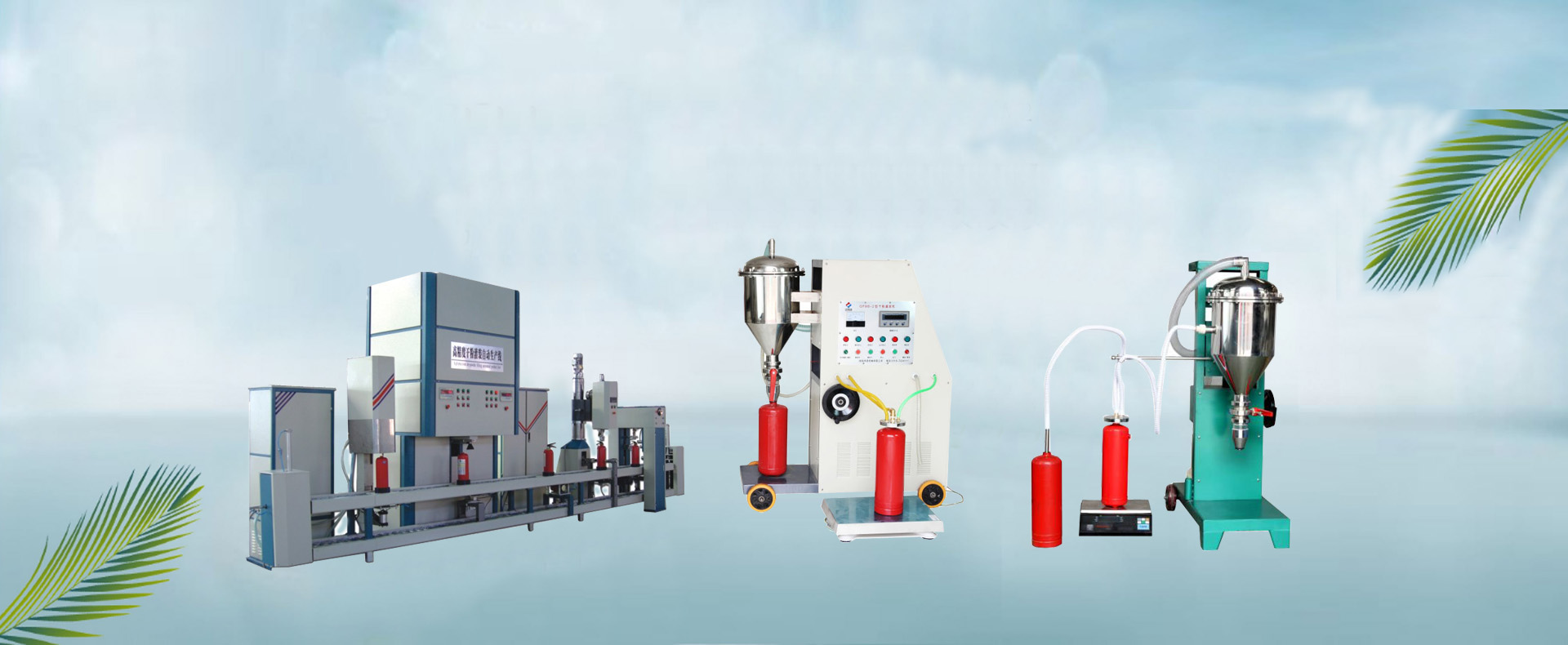
- automatic dry powder filling product line
- semi-autodry powder filling line
- Fire extinguisher dry powder filing machine
- Carbon dioxide filling machine
- Water type filling machine
- FM200 filling machine
- extinguisher Nitrogen filling machine
- N2filling and gauge checking machine
- Fire extinguisher calibration machine
- fire extinguisher drying machine
- Fire extinguisher clamper
- extinguisher airtight test machine
- cylinder pressure testing equipment
- Fire hose drying machine
- cylinder testing and blasting machine
- cylinder test pressure loader and unloader
- fire extinguish valve screwing machine
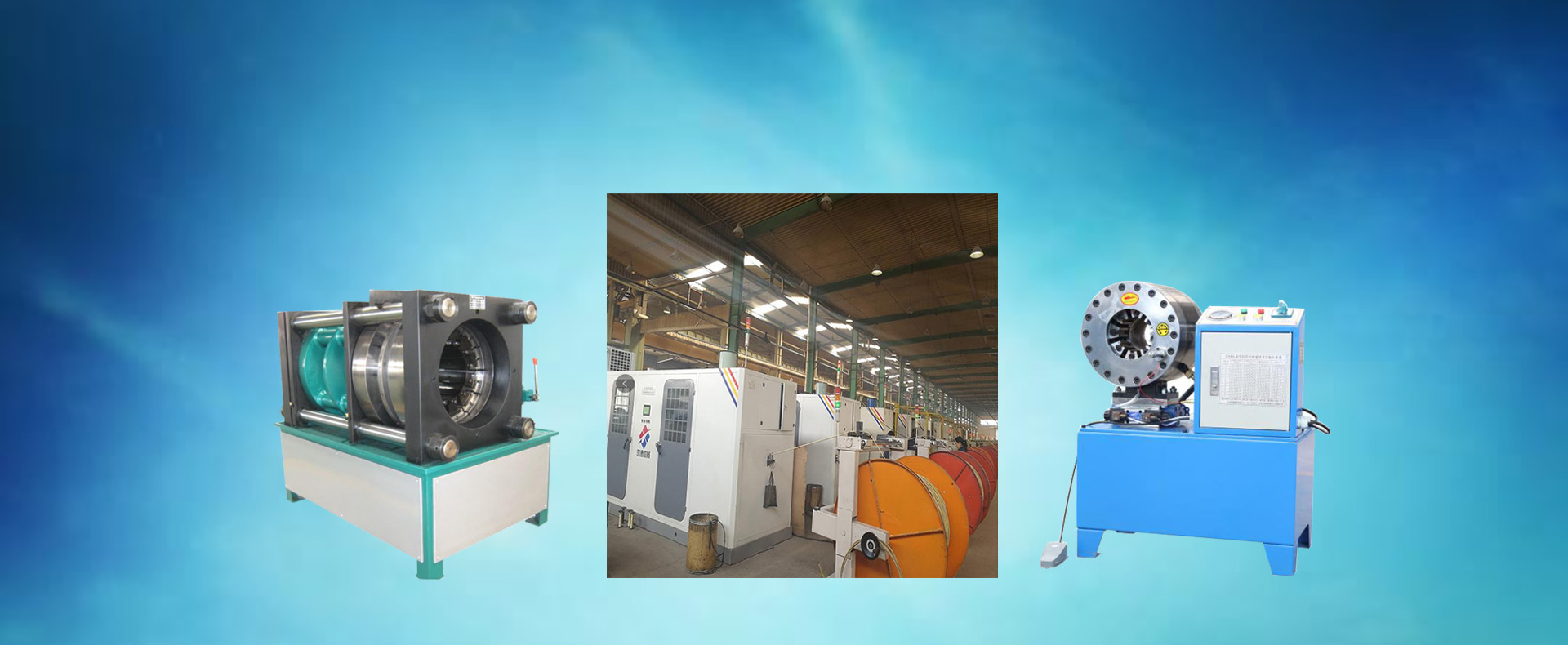
- Hose crimping machine
- 2inch hose crimping machine
- JKS-200 manual hose crimper
- DSG75 high pressure hose crimping machine
- DSG102S hose swager machine
- DSG150 hose pressing machine
- SK100 hose crimper
- JK400 hydraulic pipe locking machine
- DSG51GC steel pipe locking machine
- Hose cutting machine
- Hose skiving machine
- High pressure hose bursting test machine
- big diameter hose crimping equipment
- Nut crimping machine
- Rubber tube pressure blasting&testing mc
- Hydraulic pressure test pump
- 2D-SY hydraulic pressure test pump
- 4D-SY hydraulic test pump
- 3D-SY hydro testing equipment
- 3D-S40 automatic control test pump
- high pressure test ppump
- manual hydrostatic pump
- Computer pressure test pump
How to Judge Whether a Fire Extinguisher Needs Annual Inspection?
To judge whether a fire extinguisher needs annual inspection or maintenance, a comprehensive inspection should be carried out in combination with the following key indicators to ensure that it is in an effective standby state:
1.Basic inspection items (user self-inspection)
Pressure gauge status:
Pointer in green area: normal pressure, can be used normally.
Pointer in red area: insufficient pressure, need to be repaired or replaced immediately.
Pointer in yellow area: excessive pressure, need to be inspected by professionals.
Appearance integrity:
Bottle body: rust area >1/3 of the surface area, deformation, cracks or fire marks need to be scrapped.
Nozzle/hose: aged, damaged, blocked need to be replaced.
Safety pin and lead seal: missing or damaged need to be sent for inspection.
Marking and date:
Production date: confirm the production time through the steel stamp on the bottle body.
Maintenance label:
Blurred, missing labels or incomplete information (no maintenance date/agency) need to be sent for inspection.
Expired maintenance certificate (for example, dry powder fire extinguishers need to be inspected every 2 years after the first maintenance).
2.Hard standards for mandatory inspection/scrapping
Exceeding service life
Type First maintenance time Scrap life
Dry powder fire extinguisher 5 years after leaving the factory 10 years
Water-based fire extinguisher 3 years after leaving the factory 6 years
Carbon dioxide fire extinguisher 5 years after leaving the factory 12 years
Special scenarios require shortened cycles
Harsh environment: high temperature, high humidity, corrosive places, dry powder fire extinguishers are recommended to be inspected annually.
High-frequency use: such as shopping malls, gas stations, need comprehensive inspection every 1 year.
Abnormal conditions:
Carbon dioxide fire extinguisher leakage rate >3%;
Dry powder extinguishing agent caking or excessive water content.
3.Professional testing requirements (need to be operated by institutions)
Tightness detection:
Carbon dioxide fire extinguishers need annual inspection of leakage rate (more than 3% is scrapped).
Functional test:
Hydrostatic test (dry powder/carbon dioxide fire extinguishers once every 5 years).
Annual inspection of antifreeze effectiveness of water-based fire extinguishers.
Summary: When must it be sent for inspection?
Send for inspection immediately: abnormal pressure (red/yellow area), missing labels, appearance defects.
Send for inspection on schedule: reach the first maintenance period (such as dry powder 5 years after leaving the factory) or subsequent cycles (such as dry powder every 2 years).
Mandatory scrapping: exceeding service life, excessive rust, bottle body deformation/cracks.
Reminder: Units that fail to inspect fire extinguishers regularly will face penalties under the Fire Law. Daily self-inspection is recommended once a month, focusing on the pressure gauge and appearance.

Copyright 漏 Raoyang Hongyuan Machinery CO.,LTD. Address: Industrial Zone, Raoyang County, Hengshui City, Hebei, China