

- Fire fighting machine
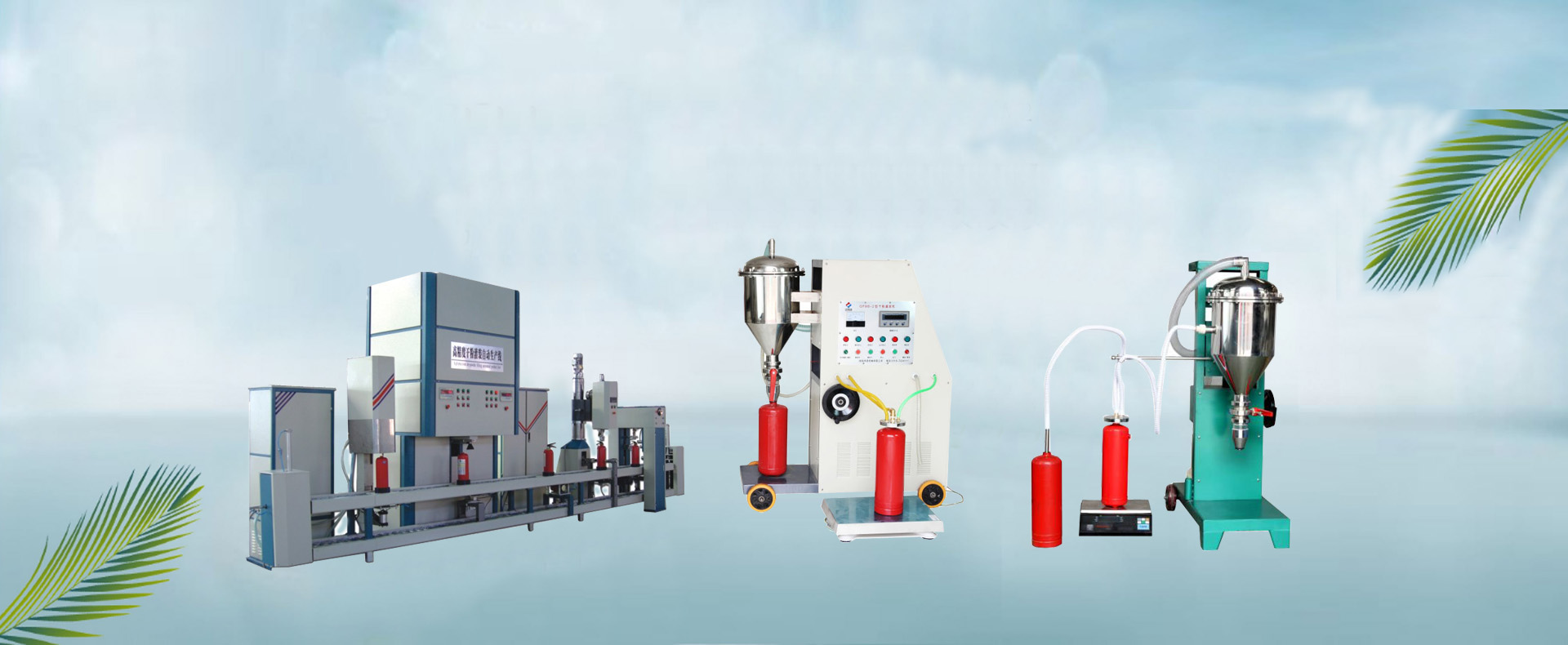
- automatic dry powder filling product line
- semi-autodry powder filling line
- Fire extinguisher dry powder filing machine
- Carbon dioxide filling machine
- Water type filling machine
- FM200 filling machine
- extinguisher Nitrogen filling machine
- N2filling and gauge checking machine
- Fire extinguisher calibration machine
- fire extinguisher drying machine
- Fire extinguisher clamper
- extinguisher airtight test machine
- cylinder pressure testing equipment
- Fire hose drying machine
- cylinder testing and blasting machine
- cylinder test pressure loader and unloader
- fire extinguish valve screwing machine
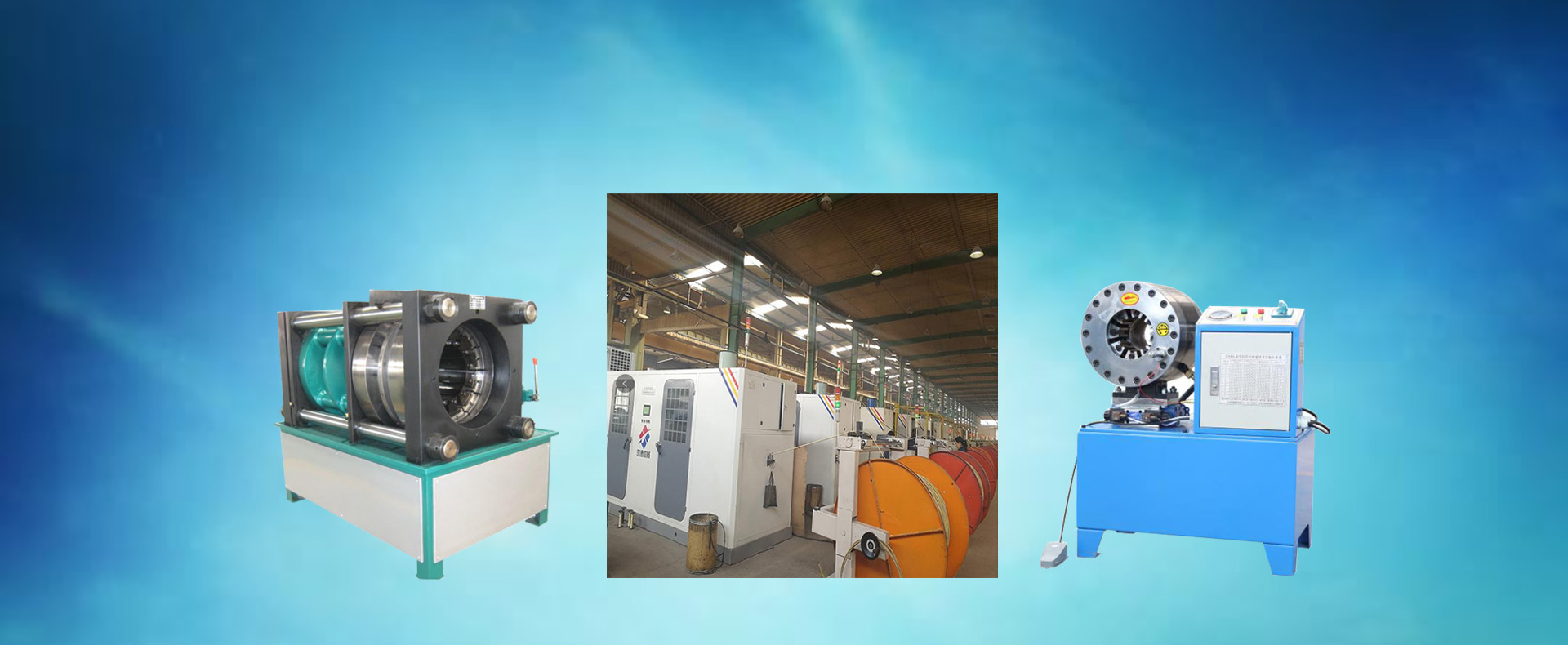
- Hose crimping machine
- 2inch hose crimping machine
- JKS-200 manual hose crimper
- DSG75 high pressure hose crimping machine
- DSG102S hose swager machine
- DSG150 hose pressing machine
- SK100 hose crimper
- JK400 hydraulic pipe locking machine
- DSG51GC steel pipe locking machine
- Hose cutting machine
- Hose skiving machine
- High pressure hose bursting test machine
- big diameter hose crimping equipment
- Nut crimping machine
- Rubber tube pressure blasting&testing mc
- Hydraulic pressure test pump
- 2D-SY hydraulic pressure test pump
- 4D-SY hydraulic test pump
- 3D-SY hydro testing equipment
- 3D-S40 automatic control test pump
- high pressure test ppump
- manual hydrostatic pump
- Computer pressure test pump

How to carry out the annual inspection and maintenance of fire extinguishers?
In public places, where there are dense and mobile people, fire safety is crucial, and fire extinguishers, as key equipment to deal with initial fires, play an irreplaceable role.
The environment of public places is complex, and there may be various fire hazards such as electrical faults and flammable materials catching fire. Once a fire breaks out, the initial stage is often the best time to put it out. At this time, the timely use of fire extinguishers can effectively control the spread of the fire and avoid small fires from turning into major disasters. It is easy to operate, no professional skills are required, and ordinary people can use it after simple training. Whether in shopping malls, schools or hospitals, reasonable configuration of fire extinguishers is like putting an "insurance lock" on fire safety.
Then, how to carry out the annual inspection of fire extinguishers? What will happen if fire extinguishers are not inspected annually for a long time? What are the consequences of long-term failure to inspect fire extinguishers?
The annual inspection of fire extinguishers is an important measure to ensure their performance and safety. The following are the main steps and methods of fire extinguisher annual inspection:
Appearance inspection: Check whether the fire extinguisher cylinder is rusted, deformed or damaged; confirm that the nameplate is clearly visible to identify the model and production date; check whether the nozzle and hose are intact, without cracks, blockages or other damages; check whether the safety pin and lead seal are intact, the lead seal should not be damaged, and the safety pin should not be defective; check whether the handle and pull ring are undamaged and free of rust, ensuring smooth operation; confirm that the spray hose is unobstructed, without distortion or damage.
Pressure check: Check whether the pressure gauge pointer of the fire extinguisher is in the green area. Green indicates normal pressure, red or yellow indicates too low or too high pressure, which may affect the normal use of the fire extinguisher. For pressurized fire extinguishers, ensure that the pressure is within the normal range.
Extinguishing agent inspection: Check whether the extinguishing agent is sufficient and whether there is caking or precipitation. For dry powder fire extinguishers, you can check whether the dry powder is caked by inverting it several times and listening to the sound of powder flowing inside.
Spray performance inspection: Under safe conditions, conduct a spray test of the fire extinguisher to check whether the spray distance, spray time, spray amount, etc. meet the standard requirements, and observe whether the sprayed extinguishing agent is uniform and powerful.
Functional test: Although it is usually not necessary to conduct a functional test every year, in some cases, it may be necessary to test the spray function of the fire extinguisher to ensure that it can spray the extinguishing agent normally in an emergency.
Recording and marking: Make detailed records of the annual inspection results, including the fire extinguisher's serial number, annual inspection date and annual inspection personnel; paste the annual inspection label in a prominent position of the fire extinguisher, indicating the annual inspection date and the next annual inspection date.
What will happen if fire extinguishers are not inspected annually for a long time? Consequences of long-term failure to inspect fire extinguishers
1.Safety hazards
Increased risk of fire extinguisher failure: The internal pressure of the fire extinguisher may be abnormal, making it unable to spray normally; the extinguishing agent may cake, deteriorate or leak, affecting the fire extinguishing effect; the spray hose may age and rupture, causing the extinguishing agent to fail to reach the fire source accurately.
Reduced fire fighting capability: In the event of a fire, a failed fire extinguisher cannot control the fire in time, which may lead to the spread of the fire; delay the best fire fighting opportunity, increasing the losses and hazards caused by the fire.
Endangering personal safety: Failure of fire extinguishers may prevent people from self-rescue or mutual rescue in time during a fire; increase the risk of casualties and pose a serious threat to life safety.
2.Legal consequences
Violation of laws and regulations: According to the Fire Protection Law of the People's Republic of China and other relevant laws and regulations, units or individuals are obliged to ensure that fire facilities are in good condition and effective. Fire extinguishers that have not been inspected or have failed to be inspected for a long time violate the requirements of fire regulations.
Facing administrative penalties: If the fire department finds that fire extinguishers have not been inspected for a long time during inspection, it may impose administrative penalties such as fines on units or individuals. In serious cases, they may face more severe penalties such as ordering to suspend production or business, or 暂扣 ing or revoking licenses.
Bearing legal liability: If a fire accident is caused by the failure of fire extinguishers, the unit or individual may need to bear civil liability for compensation. In extreme cases, if a crime is constituted, criminal liability may also be faced.

Copyright 漏 Raoyang Hongyuan Machinery CO.,LTD. Address: Industrial Zone, Raoyang County, Hengshui City, Hebei, China